Local SEO helps businesses appear in local searches, in front of nearby customers right when they’re searching on Google Maps & the local pack. In 2025, “near me” searches are more common than ever, and showing up in the map pack means more visits, phone calls, and local sales, often within hours.
What is Local SEO?
If you run a local business whether it’s a repair shop, dentist office, or restaurant, your next customer is probably already searching for you on Google. They’re not going to page two, and they’re not scrolling for long. They’ll likely click on one of the top results in the map pack or organic listings, especially if it’s close by, open now, and has strong reviews.
Google has shifted heavily toward location-based results, using a person’s physical location and search history to decide what to show. That means it’s no longer enough to just have a website but your business needs to show up at the exact moment someone searches for services like yours nearby.
Local SEO is how you do that. It helps your business appear in local search results, Google Maps, and for high-converting queries like “best dentist near me” or “emergency plumber open now.” With more people using mobile and voice search to find businesses near them, local SEO is now one of the most direct ways to turn online searches into real-world customers.
There are two types of businesses that benefit the most from local SEO:
- Brick-and-mortar businesses with a physical storefront (e.g., salons, clinics, restaurants)
- Service-area businesses that travel to serve customers at their locations (e.g., electricians, moving companies, roofing contractors)
Search engines evaluate a range of signals to determine which local businesses to display, including proximity to the searcher, relevance to the query, and prominence based on reputation, content, and links. These results appear across several surfaces: the Map Pack, Google Maps, and organic search, each with its own algorithm and ranking factors.
How Local SEO Works
Local SEO changes the search results whenever Google understands that the user wants something nearby. When someone searches for a service like “emergency plumber Brixton” or “best dentist near me”, Google does not show the same results it would show for a normal question. It switches to a different system known as the local algorithm, which focuses on the searcher’s location, the business information, and how trustworthy or popular that business looks online. Because of this, the entire search page becomes filled with local elements such as the Map Pack, the Local Finder, Google Maps results, and location-focused organic pages.
Map Pack
The Map Pack is the most important part of the local search results. It appears at the top of the page and shows three nearby businesses along with a small map. Every listing inside the Map Pack comes directly from Google Business Profiles. The ranking inside the Map Pack depends on how close the business is to the searcher, how well it matches the search query, and how strong its online presence is across reviews, categories, and overall trust signals. Because it sits above the organic results, most clicks go to the Map Pack, making it the key area every local business tries to rank in.
Local Finder
The Local Finder appears when someone clicks “More places” under the Map Pack. It opens a larger page that displays many more businesses related to the search. The Local Finder again uses the local algorithm, but it gives the user more freedom to explore. People can view business details, compare reviews, check opening hours, and see how close each business is. Ranking here still depends on the same signals as the Map Pack, but the list is longer, so businesses that do not make it into the top three can still attract customers through this section.
Google Maps
Google Maps has its own search environment, and users often rely on it directly, especially on mobile phones. When someone searches inside Maps, the results may shift based on how close the user zooms in, their past activity, and whether the business looks active and updated. Maps rewards businesses that keep their profiles complete, earn consistent reviews, upload real images, and provide accurate categories and services. Many users skip the regular Google page and go straight to Maps because it feels like a real-world directory, which makes this platform just as important as the main SERP.
Local Organic Results
Local organic results appear below the Map Pack. These results come from websites instead of business profiles. Google uses the organic algorithm here, which checks the quality of the content, how well the page explains the service, keywords that match the city or area, backlinks, user experience, and internal linking. A business can rank in local organic results even if it does not show in the Map Pack, especially if it has strong service pages like “roof repair Hackney”, “dentist in Birmingham”, or “carpet cleaning Sutton Coldfield”. Local organic results help businesses gain traffic through their websites while the Map Pack focuses mainly on the business listing.
Google Business Profile
Google Business Profile is the main source of information for the local algorithm. Every detail inside the profile helps Google decide how relevant and trustworthy the business is. Things like the business name, category, service area, hours, reviews, photos, service descriptions, and updates all play a role in visibility. When someone searches for a business name, Google may show a special panel known as the branded profile panel, displaying everything about that business in one place. Because Google uses the GBP data across the Map Pack, Local Finder, and Maps, having a complete and accurate profile is essential for ranking anywhere in local search.
Local SEO for Small Businesses (and Niche Industries)
Local SEO is not one-size-fits-all. While the core strategy remains grounded in relevance, proximity, and prominence, different industries face distinct search behaviors, competition levels, and trust signals that affect how they appear in local results. Understanding these differences allows businesses to optimize with intent, not guesswork.
Let’s look at how local SEO plays out across key industries:
Local SEO for Real Estate Agencies
Real estate searches are hyper-local and time-sensitive. Success depends on targeting neighborhood- and ZIP-code-level keywords (e.g., “homes for sale in Shoreditch E2”). Well-structured location pages, consistent NAP (Name, Address, Phone Number) across real estate directories, and integration with platforms like Zillow or Zoopla are critical for visibility.
Local SEO for Accountants
For accountants, trust is everything. Seasonality (e.g., tax season) heavily impacts search volume. Accurate listings in financial directories, strong GBP (Google Business Profile) reviews, and highlighting certifications help establish credibility. Queries often include keywords like “small business tax help near me” or “CPA in [city].”
Local SEO for Hotels
Hotels need more than just presence — they need persuasion. GBP listings should include high-quality photos, updated amenities, and links to booking engines. Integrations with OTAs (online travel agencies) and aggregator platforms like TripAdvisor also impact visibility. Mobile optimization is essential, as most bookings happen on-the-go.
Local SEO for Healthcare Practices
Healthcare SEO is sensitive and regulated. Provider-level GBP listings (for each doctor or specialist) are crucial. Reviews should be HIPAA-conscious — avoid mentioning patient details. Local schema, practitioner schema, and consistent citations across medical directories (like Healthgrades or Zocdoc) boost authority.
Local SEO for Plumbers
Plumbers often deal with urgent queries — searches like “emergency plumber near me” dominate. Mobile speed, click-to-call buttons, and after-hours availability in GBP help capture these leads. Local service area pages should clearly mention covered locations to extend reach.
Local SEO for Roofers
Roofers usually serve a wide geographic area, so well-built service area landing pages are essential. Include photos of past projects, verified reviews, licenses, and BBB accreditation where applicable. Customers look for proof, especially when dealing with high-ticket repairs.
Local SEO for Restaurants
Diners make snap decisions based on GBP listings. Optimizing for menus, photos, hours, and customer reviews is key. Online ordering, reservation links, and consistent presence across platforms like Yelp and OpenTable help drive foot traffic. Google Posts can highlight specials or events.
Local SEO for Storage Companies
“Storage units near me” is a classic local-intent query. These businesses benefit from clear service info (unit sizes, pricing, hours), location-specific pages, and high-volume citation building. Integrate tools that allow online booking directly from GBP or site landing pages.
Local SEO for Home Improvement Companies
Broad service areas mean these businesses must develop robust city-level landing pages. Rich visuals (before-after photos), strong calls to action, and trust signals like reviews or local awards boost conversions. Partnering with local directories and suppliers can also provide relevant backlinks.
Each industry has its own triggers like urgency, trust, visuals, or technical details that shape how users search and decide. Understanding these nuances helps businesses compete smarter in their local markets.
Why Local SEO Matters in 2025
Local SEO has evolved from a “nice-to-have” to a “must-do” for businesses that serve specific geographic areas. Whether you’re a service provider or a storefront, your online visibility is now directly tied to how well you show up for people searching nearby.
1. Google’s Growing Focus on Location & Proximity
In 2025, Google’s algorithms put more weight than ever on user location and search context. Even without typing a city name or “near me,” Google’s systems understand where users are and show results tailored to that exact area. This shift makes proximity a powerful ranking signal in both the Map Pack and localized organic results.
Google’s own documentation emphasizes relevance, distance, and prominence as the three core local ranking factors. But over the past year, updates to the local algorithm show increased sensitivity to:
- Real-time location data
- Business availability (open now)
- Freshness of listings and reviews
This means businesses with strong Google Business Profiles and local presence see more visibility than those relying on traditional SEO alone.
2. User Behavior Drives Results (Not Just Rankings)
Visibility in local results isn’t just about ranking but it’s about getting action.
- 76% of people who search for something nearby visit a business within a day
- 28% of those searches result in a purchase (Google, Think With Google)
- On mobile, local packs dominate screen space and are more likely to drive clicks than organic links
The takeaway: ranking well locally doesn’t just boost traffic — it brings in high-converting customers ready to take action.
3. AI Overviews Are Changing Local Discovery
Google’s Search Generative Experience (SGE) is starting to reshape how search results appear. AI Overviews often highlight local businesses by name, mention their reviews, and even summarize their strengths — especially in “best of” or comparison-style queries.
If your business has:
- Positive review sentiment
- Accurate and structured data (schema, GBP info)
- Brand mentions and backlinks
…you’re more likely to be featured in AI-generated answers. This makes reputation, citations, and local content even more critical moving forward.
4. Implicit vs. Explicit Local Intent
There are two types of local queries:
Explicit:
Explicit searches happen when a user writes the location inside the query. When someone types something like “Indian restaurant Shoreditch” or “car repair shop Chelsea”, Google instantly understands that the person is looking for local answers in that exact area. The search engine becomes more direct, showing the Map Pack and a set of nearby business listings that match the place mentioned in the search. This type of query leaves no room for guessing because Google knows the exact spot the user wants results for.
Implicit Search
Implicit searches do not include a city or neighborhood name, but Google still treats them as local. If a person types “flower shop”, “locksmith”, or “cafes open now”, Google uses the searcher’s GPS, device location, or IP address to decide which local results should appear. Even though the user never typed the city name, the local algorithm activates automatically and serves businesses close to where the searcher is standing. This is why two people in the same city can see completely different results based only on which street they are on.
In both cases, Google assumes the searcher wants something local and your visibility depends on how well your business data aligns with their intent.
This reinforces the need to:
- Build geo-targeted landing pages
- Optimize for “near me” modifiers
Keep GBP and citations clean and consistent
Google Business Profile Optimization (GBP = Cornerstone for Map Rankings)
If you’re trying to rank in Google’s Map Pack or Local Finder, your Google Business Profile (GBP) is the most critical asset to get right. Google uses the data from your GBP to determine which local businesses to show, especially for “near me” and location-based searches.
Setting Up and Verifying Your Google Business Profile
- Visit google.com/business
- Sign in with your Google account
- Enter your business name and choose the right category
- Add your physical address or service area
- Add contact details like phone and website
- Verify your profile via postcard, phone, or video (based on Google’s method)
Verification is mandatory, without it, your listing won’t appear publicly in search or Maps.
Core Elements GBP to Optimize
Once verified, optimize the following GBP elements to maximize visibility:
- Primary and Secondary Categories: Choose the most relevant primary category (e.g., “Plumber” vs. “Home Services”). Add secondary categories that reflect your services (up to 9).
- NAP Consistency: Ensure your business name, address, and phone number exactly match what’s shown on your website and other listings. Consistency helps build trust.
- Business Description: Write a clear, simple overview of your business, focusing on what you offer and your local service area. Keep it natural and avoid stuffing keywords.
- Photos and Videos: Upload high-quality media showing your storefront, services, products, and team. Businesses with photos receive 42% more direction requests and 35% more click-throughs to their websites (Google).
- Business Hours: Set accurate hours, including holidays and temporary changes. Google boosts visibility for open businesses during live searches.
- Attributes and Services: Add attributes such as “Black-owned,” “Wheelchair accessible,” or “Online appointments available”. Also, list out individual services (e.g., “Drain Cleaning,” “Teeth Whitening”).
AI Tip: Speed Up Updates with GPT
You can use AI tools like GPT to:
- Write concise and helpful business descriptions
- Generate engaging posts for limited-time offers, events, or updates
- Respond to reviews faster with polite, brand-safe replies
Just make sure to human-edit all content before publishing to maintain quality and avoid robotic touch.
Well-optimized GBP listings increase the chance of ranking in the 3-pack and help convert searchers into customers. In the next section, we’ll look at the key factors that actually influence those rankings.
Local SEO Ranking Factors to Know (Enhanced & Self-Dominating)
Google shares general tips on how to improve local rankings, but the full local algorithm stays private. Even so, years of testing, audits, and real-world results have revealed clear patterns that help explain why some businesses appear in the Local Pack, Google Maps, and Local Finder while others stay invisible. These patterns continue to shift, but the core logic behind visibility remains steady.
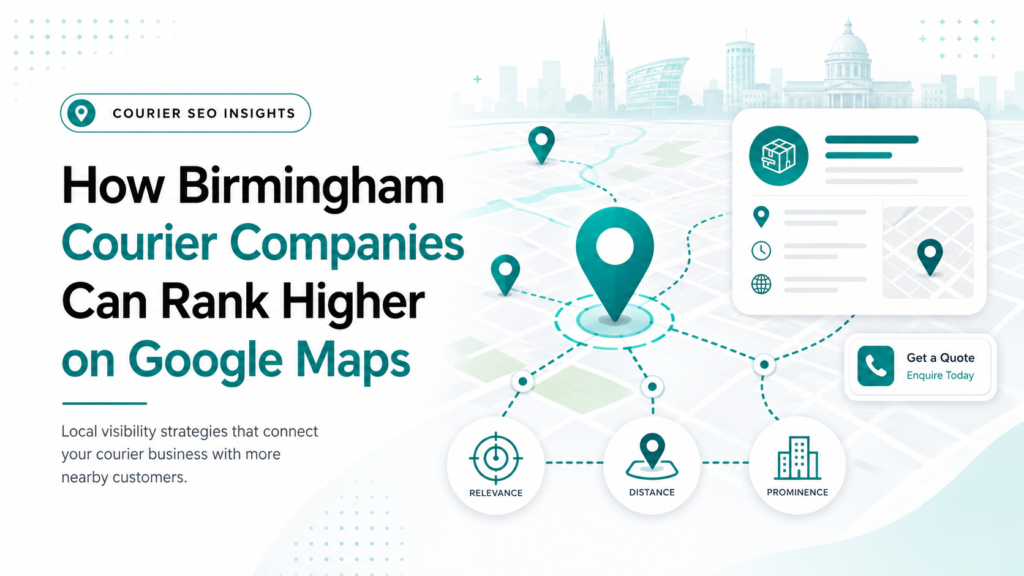
Google looks at proximity, relevance, and prominence as the main decision-makers in local search. Proximity shows how near the business is to the searcher. Relevance shows how well the business matches what the person is trying to find. Prominence shows how important, trustworthy, and widely recognized the business is online and offline. These three ideas form the base of the local algorithm, and the other ranking factors support them.
Proximity
Google adjusts local results based on the user’s real location, even if the person does not type the city name. When a business sits close to the searcher, it naturally becomes easier for Google to serve it. A shop may appear strongly for people on the same street but disappear for searchers in another part of town. Proximity works silently in the background, reshaping the map every few seconds as people move.
Address
The physical address of a business can create a natural advantage or disadvantage. A shop inside a busy district usually receives more walk-ins, more directions requests, more reviews, and stronger behavioral signals. Google sees this activity and understands that the business is active in the community. A location outside the recognized city borders may struggle to appear for searches inside the city because Google prioritizes businesses closer to the center of demand. This is why many brands examine city borders on Google Maps before choosing a location. The wrong address can limit visibility for years.
Relevance
Google decides relevance by reading the business name, categories, services, reviews, and the connected webpage. When these elements match the user’s search intent, the listing becomes easier to understand. If the descriptions, categories, or services are unclear, Google finds it harder to match the business to the keyword. Relevance grows stronger when the business uses accurate categories, simple service descriptions, and consistent information across the web.
Prominence
Prominence reflects the overall strength and trust of a business. Google studies reviews, ratings, backlinks, citations, brand mentions, local news, and user engagement signals like clicks and dwell time. A business that earns steady reviews and appears in trusted local directories usually seems more reliable to the algorithm. Prominence is also influenced by the authority of the linked website, which is why a strong landing page helps both local and organic performance at the same time.
Keywords in the Business Name
When a business name naturally contains a keyword related to the service, Google understands the listing faster. A name like “Brixton Dental Care” clearly tells Google what the business does and where it serves. This gives the listing a natural advantage for searches with similar terms. However, Google does not allow artificial keyword stuffing. The name must match real-world signage. If a keyword-less name creates a disadvantage, the proper approach is registering a legal DBA.
Google Business Profile Categories
Choosing the correct primary category and additional categories makes it easier for Google to understand the business. These categories help Google know what services the business offers, which queries it matches, and which competitors it should be compared to. Local businesses often perform better when their categories match the top performers in the market. Tools like category checkers or category-viewing extensions help identify what competitors are using.
Review Patterns
Reviews help both users and Google understand the quality of a business. Steady reviews with natural timing and honest descriptions send strong signals of trust. A business that receives new reviews regularly tends to remain active in Google’s eyes. However, unusual spikes in review activity can cause Google to filter some of them out. Healthy growth looks more stable than sudden bursts.
Google also checks reviews on platforms like Facebook, Yelp, and niche directories to confirm trust across the web. A business can gently ask customers for reviews through simple links or SMS reminders, and tools can help owners answer reviews politely at scale. When fake or harmful reviews appear, reporting them protects both trust and visibility.
Organic Signals Connected to the Website
The page linked inside the Google Business Profile influences the local listing. Google studies this page for relevance, authority, and clarity. When the landing page includes the business’s name, address, phone number, service descriptions, schema markup, and city-based content, the local listing becomes stronger. Clear service pages, strong internal linking, and fast performance help the business appear both in local and organic results.
NAP Consistency
Google expects the business name, address, and phone number to stay consistent across the web. When the NAP details match across directories, the website, and the Google Business Profile, Google trusts the business more. Inconsistent NAP information can confuse the system and reduce visibility in competitive markets.
Local Citations
Google checks citations to confirm your business name, address, and phone number across the web. Consistent NAP details on trusted directories act as supporting signals and help Google verify the business location.
Behavioral Signals
User interactions quietly influence local visibility. When users click a listing, request directions, call from search, view photos, or spend time exploring the listing, Google recognizes these actions as signs of interest. A listing that earns strong engagement over time becomes easier for Google to serve to future searchers.
Hours of Operation
Google prefers to show businesses that are open at the moment of the search. If a business stays open when competitors are closed, it may appear more prominently during those hours. This advantage becomes noticeable in food, emergency, medical, and repair categories.
Additional Google Business Profile Fields
Google provides many optional fields in a listing, including photos( ad GEO tagged photos for local relevance), videos, attributes, services, products, menus, and appointment options. Each field helps users understand the business faster. When users interact with these fields, Google sees positive engagement. Over time, these interactions support prominence and improve the listing’s ability to convert searchers into customers.
Spam and Guideline Violations
Google pays close attention to spam behaviors because they lower trust in the local search results. When a business uses a fake address, buys fake reviews, or sets up a virtual office only for rankings, Google marks the listing as unreliable. These violations make it harder for the listing to appear in the Local Pack or Google Maps. Google’s system prefers businesses that use real locations, real customers, and real verification methods. A listing that stays within the rules becomes easier for Google to support long-term.
Google Business Profile Completeness
Google gives stronger visibility to business profiles that are complete and updated. When a profile contains full business details, categories, photos, services, products, attributes, and correct hours, Google understands the business better. A complete profile lets Google match the listing to more searches because nothing is missing or unclear. Businesses that leave fields empty often lose relevance and trust in competitive markets, even if they are physically close to the searcher.
GBP Attributes
Attributes help Google understand what special features a business offers. They describe qualities like wheelchair access, women-led ownership, kid-friendly services, LGBTQ+ friendly spaces, or online appointments. When people search for a place that fits specific needs, Google reads these attributes to match them correctly. A business that adds the right attributes gives Google clearer details about its environment and customer experience, which strengthens relevance and user confidence.
Local Landing Page Elements
The local landing page connected to the business profile supports local visibility when it includes clear location signals. Google understands the page faster when it includes the full business name, address, phone number, an embedded Google Map, and a driving directions link. The footer should repeat the NAP details so Google sees consistency across the entire site. City pages, service-area pages, and structured data help Google verify that the business truly serves the area it claims. A strong landing page becomes a stable support for both local and organic rankings.
Topical Entity Connections
Google understands a business more accurately when it sees a clear connection between the business category, the services offered, and the products related to those services. When these elements match each other, Google forms a stronger idea of what the business does. A restaurant with the category “Italian restaurant,” services like “pasta dishes” and “pizza meals,” and products like “fresh ravioli” creates a complete semantic picture. Clear connections help Google place the listing in the right search clusters and compare it correctly with competitors.
Service Area Business Rules
Service-area businesses follow different rules because they travel to customers instead of serving them at a fixed shop. These businesses must hide their address and set a service area that matches real coverage, not an exaggerated radius. Google still uses proximity to match SABs to searchers but relies more heavily on service areas, relevance, and prominence. If a service-area business chooses unrealistic service zones, Google may reduce visibility. A realistic service area helps Google understand where the business truly works and which customers it can serve.
How to Perform Local SEO Step-by-Step
Local Competitor Analysis
Local competitor analysis helps you understand who already ranks in your target area and why Google prefers them. When you study their Google Business Profiles, categories, service pages, reviews, and content style, you get a clear picture of what the market expects. This research shows which services matter most in your city and which keywords your competitors consistently target. Tools like GMBSpy, LocalFalcon, or simple manual checks help you see their strengths and weaknesses. When you analyze these details first, your own keyword research becomes easier because you already know what works in your location and what gaps you can fill with better content.
Local Keyword Research (Local Intent + Service Pages)
Local keyword research helps you understand what people in your area are searching for when they need a service. When someone types a phrase that includes a city name or a neighborhood, Google reads it as a geo-modified keyword. When someone searches for a service without the city name, Google still detects the location through the device and treats it as a local intent search. The goal of research is to find both types of keywords so you can build pages that match what real people search.
You can use tools like Google Keyword Planner, Ahrefs, SEMrush, and Google Trends to see how people search in your target area. These tools show search volume, related terms, and question-based queries that help you understand the local demand. Each keyword carries a different intent. Navigational searches show people want a specific business. Transactional searches show they want to book or buy. Informational searches show they want answers before choosing a provider. When you understand the intent, you can choose the right page for the keyword.
Assign each keyword to a specific URL so Google sees a clear structure. Big city or service keywords usually fit the homepage. More detailed services belong to individual local landing pages. If users often ask questions such as “How much does roof repair cost in Birmingham,” you can target these as featured snippets by adding FAQ sections or short answers with strong local modifiers.
On-Page SEO for Local Pages (NAP + Schema + Geo Signals)
On-page SEO helps Google understand where your business is located and what services you offer. Each local page should use a meta title and description that include the city name and the main service so Google sees a clear match. The name, address, and phone number should stay consistent on every page and must appear in a crawlable format so Google can read them easily.
Schema markup strengthens the page by giving Google structured information about your business. LocalBusiness schema, service schema, and location details help Google understand your service area and category without confusion. Internal links between your service pages and city pages send signals about which areas you serve and which services belong together. These links help Google follow the structure of your site.
A “near me” section also helps because users often search this way. When you include phrases like “roof repair near you in Birmingham” inside natural sentences, Google can match your page to “near me” queries without sounding forced. Over time, these geo signals help your local pages rank stronger for both city searches and neighborhood-level searches.
Local Content Strategy (Topical Authority at the City Level)
Local content helps Google understand that your business belongs in the area you want to rank in. When you create content that speaks about your city, your neighborhood, or the experiences people have there, Google sees stronger local relevance. Blog posts that cover local events, seasonal needs, or city-specific guides show Google that you understand the community you serve. City pages work well when they give real information and avoid thin or doorway content, because Google wants users to reach pages that truly help them.
FAQ sections strengthen your local pages when you add schema, because they answer real questions users search in that area. Embedding local photos, short videos, maps, and even user-generated content helps the page feel connected to the city instead of looking generic. When your website mirrors the real world of your location, Google trusts it more, and your pages gain the authority needed to appear for city-level searches.
Local Citations & Backlink Signals
Local citations help Google verify your business information across the web by matching your name, address, and phone number on trusted directories. When the same details appear on well-known sites, Google builds confidence that your business is real and located where it claims to be. These citations also help your pages get discovered faster because they expand your presence across the index.
Local backlinks strengthen this trust even further. When local blogs, news sites, partners, or community pages mention your business, Google sees a connection between your brand and the city you serve. Even a few natural links from local websites increase your authority and help your business rank in both the Map Pack and the organic results. These signals work quietly in the background and support every other part of your local SEO strategy.
AI & Local SEO in 2025 (SGE, Chatbots, and Automation)
AI is reshaping how local results appear, especially through Google’s AI Overviews. When users search for service providers in a city, AI often summarizes a few trusted businesses and may reference their Google Business Profiles, reviews, and website content. Local brands with strong schema, accurate NAP details, clear category choices, and consistent reviews have a better chance of being recognized in these summaries. Google’s AI prefers businesses that show real-world authority, so E-E-A-T signals like local engagement, city-level relevance, and strong service descriptions matter more than ever.
Businesses can use AI tools for content, review replies, and citation management, but they must stay ethical and avoid auto-generated spam. AI works best when it supports accuracy, not when it replaces real local experience. As voice search, multimodal queries, and dynamic AI-generated results grow, local businesses with strong brand identity and complete profiles will stay visible inside AI-driven search environments.
Local SEO Tools Stack (Your 2025 Toolkit)
Local SEO in 2025 becomes easier when you use tools designed specifically for map pack visibility, citation consistency, Google Business Profile optimization, and authority tracking. The most reliable platforms help businesses understand where they stand inside the city, which competitors outperform them, and which locations need attention. BrightLocal’s rank tracking grids give accurate local visibility data because they measure proximity-based performance across city blocks, and you can verify their accuracy from their official documentation (https://www.brightlocal.com/). Tools like LocalFalcon also track Map Pack grids and show precise ranking changes across neighborhoods (https://www.localfalcon.com/).
For citation management, Yext remains one of the most trusted providers for large-scale NAP distribution (https://www.yext.com/), while Whitespark is recognized globally for manual citation work and industry-specific directory suggestions (https://whitespark.ca/). Semrush’s Local SEO Toolkit adds AI-assisted listing management and citation syncing (https://www.semrush.com/local/), making it a strong option for both agencies and single-location businesses.
Google Business Profile management is easiest through Google Business Manager (https://business.google.com/), where you can update hours, categories, services, and photos without affecting NAP consistency. For reviews, GatherUp (https://gatherup.com/) and Grade.us (https://www.grade.us/) help businesses request feedback ethically and monitor sentiment across platforms. When it comes to link building, Ahrefs remains one of the strongest tools for discovering local link opportunities and running link intersect reports (https://ahrefs.com/).
AI tools like ChatGPT (https://openai.com/) and Jasper (https://www.jasper.ai/) help create location pages, service descriptions, FAQs, and GBP updates at scale, but these outputs should always be edited to match local context and maintain accuracy. SurferSEO (https://surferseo.com/) strengthens content optimization by aligning local landing pages with top-ranking pages inside the city. With the right stack, a business can control rankings, citations, reviews, and content quality with precision, while staying fully inside the local search ecosystem.
Local SEO Metrics and Reporting (Track What Matters)
Local reporting focuses on visibility inside the map pack, engagement inside Google Business Profile, and conversion actions connected to the city. GBP Insights reveal how many people call, request directions, or visit the website, which helps you understand how strong your local presence truly is. UTM links attached to the GBP website button help you track local clicks inside GA4 and measure the customer journey from map results to conversion. Local grid tracking tools show how rankings change across different streets and neighborhoods, creating a real picture of proximity-based performance. GA4 and GSC together reveal which city pages convert and which service pages need improvement. Regular reporting helps businesses strengthen their local footprint and react quickly when competitors grow or local search behavior changes.
Common Mistakes to Avoid (Google Penalty Proofing)
Local SEO becomes unstable when businesses use virtual offices, PO boxes, or misleading addresses, because Google expects a real, verifiable location. Keyword stuffing inside the business name, fake reviews, or inconsistent NAP details reduce trust and can trigger manual actions or filters. Many businesses also hurt their chances by ignoring review responses or failing to update GBP hours, categories, and services. Local SEO rewards accuracy and real-world signals, and businesses that follow Google’s rules protect themselves from sudden ranking drops. Staying transparent and maintaining a complete, honest profile ensures long-term visibility inside the local search ecosystem.
Advanced Tactics for Multi-Location SEO (Franchise/Chain Strategy)
Multi-location brands must create location pages that provide real value about each branch, including unique staff details, photos, local descriptions, and precise service areas. Google understands multi-location websites better when each city has its own URL structure under a clean subfolder path.
A GBP Location Group helps manage consistency across branches, and unified categories keep the brand aligned in the local algorithm. Chain-level citation management ensures identical NAP formats across hundreds of listings without losing local relevance.
Internal linking between city pages, state pages, and category pages helps Google read the full structure clearly and understand which branch serves which area. A strong multi-location strategy ensures every branch can rank independently in its own city without weakening the brand.
Conclusion: Winning Local SEO in 2025 Means Earning Your Spot
Local SEO is no longer optional because customers rely on Maps and localized search results to choose businesses in their city. A business that keeps its Google Business Profile complete, maintains accurate NAP details, adds real local content, and earns steady reviews builds long-term visibility. Local success depends more on action and consistency than on shortcuts, and businesses that follow these steps grow even in competitive markets.
Readers should start implementing these strategies, track local performance, and strengthen their presence across neighborhoods they serve. The next step is to download the local checklist, explore the recommended tools, or join the email list to stay updated with new local search changes.