Digital marketing for small businesses is the use of online tools such as SEO, local listings, social media, email marketing, and paid ads to attract customers, increase brand visibility, and drive business growth. It helps small firms reach the right audience, build loyalty, and compete with larger brands using cost-effective digital channels like Google Business Profile, Instagram, and Mailchimp.
Digital marketing for small businesses is no longer optional rather essential. With the rise of online search, social media, and mobile usage, small businesses in the UK must adopt digital strategies to compete, connect with local customers, and grow affordably. Whether you’re running a bakery in Birmingham or a Mobile repair shop in London, digital marketing enables you to be found online, build customer trust, and convert more leads without the cost of traditional advertising.
What Is Digital Marketing for Small Business?
Digital marketing for small businesses refers to the use of online tools and platforms like websites, search engines, social media, email, and digital ads to reach potential customers, promote services, and grow revenue. Unlike traditional marketing, which relies on footfall or print exposure, digital marketing allows small businesses to target specific audiences, measure performance, and scale campaigns based on results.
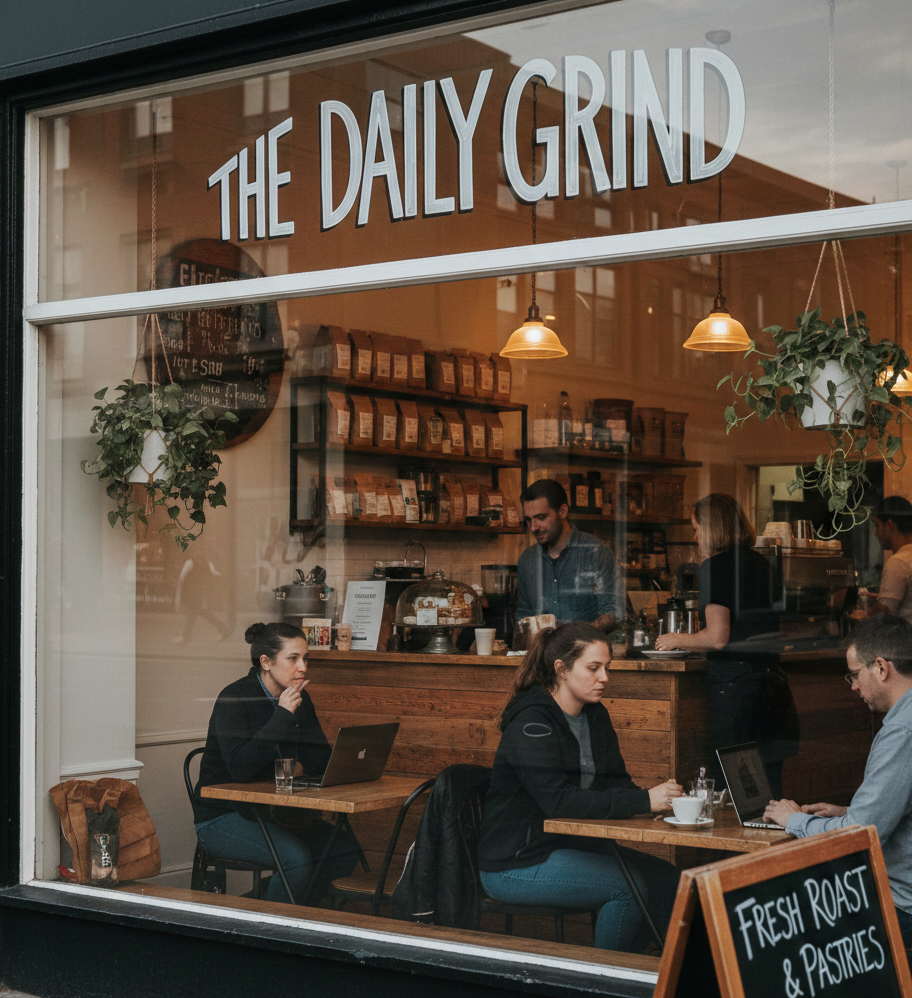
Whether it’s a cafe in Brighton running local Instagram ads, or a plumber in Liverpool using Google Business Profile to rank for “emergency plumber near me,” digital marketing helps you appear where people are actively searching.
At its core, digital marketing empowers small businesses to:
- Be visible online when people search for what they offer
- Engage with customers across multiple channels
- Turn clicks and conversations into sales and long-term loyalty
Digital marketing for small firms connects multiple channels, from SEO to email to social, and works best when supported by a documented digital marketing strategy that aligns goals, audiences, and channels.
Why Many Small Businesses Struggle to Market Themselves
Despite the opportunities, many UK small business owners feel overwhelmed when it comes to marketing. Some rely solely on word-of-mouth or outdated methods like flyers, local magazines, or print directories. Others try social media but lack the time, strategy, or confidence to make it work.
Common reasons SMEs struggle with marketing:
- Lack of visibility: They don’t appear in local search results or Google Maps
- Limited digital knowledge: Many don’t know where to start or which tools to trust
- Tight budgets: They assume marketing must be expensive
- Time constraints: Owners wear too many hats and can’t prioritise marketing
- No strategy: Posting randomly on social media or running ads without targeting leads to poor results
- Reality check: Without a clear digital presence, your business may never show up even if you’re the best at what you do.
A major reason small businesses feel overwhelmed is the lack of a structured plan. Following a clear digital marketing plan helps avoid random posting and gives owners a step-by-step roadmap.
What Benefits Do Small Businesses Get from Digital Marketing?
For small businesses, digital marketing isn’t just an option; it’s a game-changer. It allows you to compete with bigger players, get noticed, and grow consistently without breaking the bank.
Instead of hoping for a walk-in customer, digital marketing puts your business in front of the right people exactly when they’re looking for your products or services. It’s cost-effective, easy to track, and scalable, making it perfect for small businesses with limited resources.
Digital marketing also helps businesses understand customer behaviour and preferences, especially when combined with a strong content approach like digital content marketing that builds trust and authority.
Here are 5 powerful benefits that small businesses like yours can expect when they embrace digital marketing:
Targeted Reach: Get in Front of Your Ideal Customers
Unlike traditional marketing, which broadcasts messages to a broad, untargeted audience, digital marketing lets you reach the right people at the right time. With tools like Google Ads and Facebook targeting, you can put your business in front of people who are actively looking for what you offer, whether it’s a local service or niche product.
For example, a London-based florist can target customers within a 10-mile radius, ensuring their ads are only shown to people who are most likely to convert.
Cost-Effectiveness: Get More for Less
Digital marketing is far more affordable than traditional advertising. Rather than spending on expensive print ads or billboards, you can run highly targeted ads for a fraction of the cost and reach a much larger audience.
For instance, running Facebook ads or Google Ads can be as low as £5 per day, giving you the ability to control your budget and adjust based on real-time results.
This flexibility allows even small businesses with tight budgets to stay competitive without the massive costs of traditional marketing.
Trackable Results: Know Exactly What’s Working
The beauty of digital marketing is that you can track everything. With tools like Google Analytics or social media insights, you can monitor every action your customers take. From clicks to calls to purchases, everything is measurable.
You’ll know which strategies are driving the best results, allowing you to optimise campaigns, improve customer engagement, and ultimately boost your ROI.
Wider Reach: Expand Beyond Your Local Area
With digital marketing, your reach goes far beyond your local area. No matter if you’re in Manchester, Cardiff, or a village in the Cotswolds, you can target potential customers across the UK or even internationally.
This is particularly important for small businesses looking to grow beyond their local postcode. Whether you’re running an online store or offering local services, SEO and social media can help you capture interest from customers near and far.
Customer Retention: Turn First-Time Buyers into Lifelong Fans
One of the most underrated benefits of digital marketing is customer retention. Digital channels like email marketing or retargeting ads allow you to stay engaged with customers after they’ve made a purchase.
By offering tailored promotions, seasonal discounts, or personalised messages, you can encourage repeat business and build a loyal customer base. Plus, with automated email campaigns, you can stay in touch effortlessly.
Better Customer Understanding: Know What Your Audience Wants
Digital marketing gives you insights into your customers’ behaviour, preferences, and pain points. Whether it’s through Google Analytics, social media insights, or customer surveys, you’ll gain a clearer picture of who your customers are, what they need, and when they’re most likely to buy.
Armed with this data, you can create more personalised experiences ultimately increasing conversions and customer loyalty.
10 Proven Digital Marketing Strategies for Small Businesses in UK
1. Start with a Strong Website: Your Digital Storefront
Your website is the foundation of your digital marketing strategy. It’s more than just an online brochure; it’s your digital storefront, and in many cases, it’s the first impression potential customers have of your business. Whether you’re a local bakery or a small consultancy, a professional, easy-to-navigate website gives you credibility and builds trust with visitors.
In today’s online environment, website performance is critical. A slow website or one that’s difficult to navigate can result in high bounce rates, which directly impacts both your SEO rankings and your customer experience. Additionally, now mobile optimization is important then ever. Over 50% of online searches come from mobile devices, so your website needs to look and perform well on smartphones.
Pro Tip:
Start with Wix, Squarespace, or WordPress. These are affordable and user-friendly website builders that offer templates and customization options for small businesses. Be sure to include clear CTAs (calls-to-action) like “Book a Consultation” or “Shop Now” to drive conversions.
2. Optimise Your Website for SEO (Search Engine Optimisation)
Search Engine Optimisation (SEO) is the process of making your website more visible on search engines like Google. SEO ensures that when potential customers search for products or services like yours, your website shows up in the search results.
While SEO can take time, it’s the most cost-effective and sustainable strategy for generating organic traffic.
In the UK, local SEO has become increasingly important. With the rise of mobile searches, consumers are more likely to search for products or services in their local area.
According to Google’s report, 80 % of local searches on mobile lead to a purchase within a day. Search Atlas
To succeed with SEO, focus on on-page SEO (optimizing individual pages for relevant keywords), local SEO (getting your business listed in Google Business Profile and ensuring NAP consistency across the web), and technical SEO (site speed, mobile optimization, and URL structure).
Local SEO remains one of the most effective strategies. If you’re new to SEO, this guide explains what SEO is and how it works for small businesses.
Pro Tip:
Use tools like Ahrefs, Yoast SEO, or Ubersuggest for keyword research. Ensure that your Google Business Profile is optimized for local searches. It includes up-to-date business info, photos, and regularly posting updates.
3. Actively Use Social Media for Your Advantage
Social media platforms like Instagram, Facebook, and LinkedIn are among the most cost-effective and engaging ways to reach new customers. With over 5 billion active social media users globally, small businesses can easily tap into the potential of social channels to increase brand awareness, build customer relationships, and ultimately drive sales.
However, social media marketing is not just about posting your business promotions. It’s about engaging with your audience. Respond to comments, ask questions, share user-generated content, and engage with your followers on a regular basis. Instagram Stories, Facebook Groups, and LinkedIn articles are great ways to connect directly with your audience in an authentic way.
Many businesses make the mistake of spreading themselves thin across too many platforms. Focus on the social channels where your target audience is most active. For example, Instagram is great for visual businesses, such as fashion or food, while LinkedIn is ideal for B2B services.
To maximise social media performance, small businesses should use hashtags strategically. If you want a deeper breakdown, see the full guide on how to use hashtags effectively.
Pro Tip:
Choose one or two platforms that align with your business and audience, and focus on building a consistent posting schedule. Use tools like Buffer or Hootsuite to plan your posts in advance and ensure you’re consistently engaging with your followers
4. Use Email Marketing to Nurture Relationships
Email marketing is often considered the most powerful tool for small businesses to convert leads into loyal customers. Unlike social media, where content can get lost in the feed, emails land directly in a person’s inbox, allowing you to engage them in a more personal way.
A well-structured email campaign can increase customer retention by offering exclusive promotions, personalized content, and special discounts. Start by segmenting your email list based on customer behaviour or demographics. This will allow you to send personalized offers that feel more relevant to each individual.
According to Mailchimp, the average ROI on email marketing is $42 for every $1 spent, making it one of the best investments for small businesses looking to drive sales and engagement.
Pro Tip:
Use automated email sequences to nurture leads. Tools like Mailchimp and Brevo allow you to send welcome emails, thank-you notes, and product recommendations without lifting a finger.
5. Google Ads for Immediate Visibility
While SEO is a long-term strategy, Google Ads allows you to quickly increase visibility and drive immediate traffic to your website. By running Pay-Per-Click (PPC) campaigns, small businesses can target specific keywords related to their services or products. The advantage of Google Ads is that it allows you to target users at the exact moment they’re searching for what you offer.
For instance, if you’re a plumber in London, a Google search for “emergency plumber near me” can instantly show your business, giving you a direct line to customers in need.
Start small with a budget-friendly PPC campaign. Focus on long-tail keywords (e.g., “best cheap plumber in East London”) to target users who are further along in the buying journey.
6. Optimise for Local Search with Google Business Profile
Google Business Profile is one of the most powerful tools small businesses have to improve their local search visibility. When potential customers search for businesses nearby, Google Business Profile can help you stand out by appearing in Google Maps and the local search results.
Regular updates, accurate business information, and customer reviews are essential for maintaining a strong Google presence. 83% of customers trust online reviews as much as personal recommendations, making it important for small businesses to actively engage with reviews on their Google profile.
7. Create Engaging Video Content
Video content has become one of the most engaging forms of media in recent years. Platforms like YouTube, Instagram, and TikTok offer excellent opportunities for small businesses to create visual, shareable content.
Whether it’s a product demonstration, behind-the-scenes footage, or customer testimonials, video brings your brand to life and helps build trust with your audience.
In fact, video content is 50 times more likely to drive organic engagement than text or images alone.
Video content is also one of the top growth drivers in modern digital marketing types, especially for UK-based brands.
Pro Tip:
Create short-form videos (less than 1 minute) for social media and share long-form tutorials or customer success stories on YouTube to improve SEO and drive engagement.
8. Reach Out to Your Existing Customers
Reaching out to existing customers is one of the easiest and most effective ways to grow your business. Your previous customers are already familiar with your products and services, and nurturing those relationships can lead to repeat business, referrals, and word-of-mouth marketing.
You can use email marketing, social media, or even SMS campaigns to re-engage past customers with new promotions or updates on new products.
Pro Tip:
Segment your customer database to tailor your messaging. For example, offer special loyalty discounts to returning customers or send reminders to those who haven’t purchased in a while.
9. Build Strategic Partnerships with Influencers or Affiliates
Influencer marketing has exploded in popularity in recent years, and for good reason. Collaborating with influencers who already have engaged audiences can give small businesses access to new customers and build trust quickly. Influencers are skilled at creating content that resonates with their followers, and their endorsement can be extremely valuable for your brand.
For small businesses, partnering with micro-influencers (influencers with smaller but highly engaged audiences) can be a more cost-effective strategy.
Start by reaching out to local influencers or bloggers who are aligned with your niche. Offer them free products or services in exchange for an honest review or social media shout-out.
10. Track, Measure, and Adjust Your Digital Marketing Campaigns for small businesses
One of the greatest advantages of digital marketing is the ability to track every action. Whether it’s clicks on an ad, website visits, or sales, data is key to improving your digital marketing strategy. Google Analytics, Facebook Ads Manager, and email marketing platforms give you valuable insights into what’s working and what’s not.
Small businesses should track key metrics like conversion rate, click-through rate, and ROI to ensure they’re spending their marketing budget wisely.
Set up conversion tracking on your website and social media platforms to measure the success of your campaigns. Use A/B testing to compare different approaches and optimize your ads for better performance.
How Much Should Small Businesses Spend on Digital Marketing?
Digital marketing can be cost-effective, but if you’re a small business, managing your marketing budget wisely is critical to getting the most out of every penny. With the right strategies, you can start small and scale your efforts as your business grows. In this section, we’ll break down some of the best budgeting strategies and tools to help you maximise your ROI and keep costs low.
Use The 70/20/10 Rule
The 70/20/10 Rule is a simple yet effective way to allocate your digital marketing budget. It’s a strategy that ensures you’re balancing risk and reward, allowing for stability and growth without overextending.
- 70% of your budget should go to proven, reliable channels. These are the platforms and methods that have consistently provided good returns. For example, if you’ve been using local SEO or Google Ads and they’ve been driving traffic and conversions, allocate the bulk of your budget here.
- 20% of your budget should go to testing new channels or strategies. This could mean experimenting with social media ads, influencer partnerships, or new email marketing techniques. The goal is to test the waters with something innovative while keeping the majority of your budget safe.
- 10% of your budget should be set aside for riskier, experimental channels. This could include emerging platforms like TikTok for younger audiences, paid sponsorships, or even investing in AI-driven marketing tools. These areas are less predictable, but they may yield high rewards if they work out.
By using the 70/20/10 rule, you balance predictable returns with the flexibility to explore new marketing opportunities.
Pro Tip:
Start by tracking your current marketing efforts to understand where you’re getting the best returns. Focus your 70% on these efforts, then experiment with new ideas in the 20% and save 10% for experimentation with cutting-edge marketing technologies or platforms.
How Much Should a Small Business Spend?
One of the most common questions small businesses have is how much they should spend on digital marketing. The truth is, there’s no one-size-fits-all answer, but there are some general guidelines that can help you make a smart decision based on your business size, goals, and industry.
According to the U.S. Small Business Administration (SBA), small businesses should allocate 7-8% of their gross revenue toward marketing. This includes digital marketing, traditional marketing, and other promotional activities. If you’re in the early stages, you might want to allocate a higher percentage of your revenue to marketing to kickstart growth. For example, 10-15% of your revenue in the early stages can help get your business off the ground.
If your business is established and you’re seeing consistent traffic and sales, you can reduce your marketing budget to about 5-7% of your revenue.
In the UK, small businesses may also consider local and regional marketing strategies to better allocate budget for targeted campaigns, especially if they serve specific areas.
Pro Tip:
Take a close look at your monthly revenue and calculate how much you can realistically allocate to marketing. Start small with 5-7% and gradually increase the percentage as you see positive returns.
Free vs. Paid Channels Breakdown
When you’re just starting out or working with a tight budget, it’s important to know which channels are free and which are paid. Some channels can give you significant returns without spending a penny, while others require investment but can yield faster, more measurable results.
Free Channels:
- SEO (Search Engine Optimisation): Optimising your website for search engines like Google can drive free, organic traffic. Local SEO is particularly valuable for small businesses with a physical location.
- Social Media Marketing: Platforms like Facebook, Instagram, Twitter, and LinkedIn are free to use. By posting valuable content, engaging with your audience, and using hashtags, you can increase visibility without any financial investment.
- Content Marketing (Blogging/Email): Writing informative blog posts or creating an email marketing list can be done without spending money on ads.
Paid Channels:
- Google Ads & Facebook Ads: These are highly targeted, meaning you can reach specific audiences based on their search intent or online behavior. Paid ads typically provide more immediate results than free channels.
Sponsored Content & Influencer Marketing: Pay influencers or publishers to promote your products or services to their audience, giving you instant visibility in front of a relevant audience.
Pro Tip:
If you’re working with a tight budget, start by focusing on free channels like SEO and organic social media marketing. Once you start seeing traffic, consider adding a small budget for paid ads to increase visibility and drive traffic to your site faster.
ROI Tracking Tools for Small Budgets
When you’re managing a small marketing budget, tracking your return on investment (ROI) is crucial. Without proper tracking, you could end up spending money on strategies that don’t work, leading to wasted resources. Fortunately, there are plenty of free and low-cost tools available that can help you track the performance of your campaigns and ensure that you’re getting the best ROI.
Here are some great tools to track your digital marketing performance:
- Google Analytics: This free tool allows you to track website traffic, conversion rates, and how users interact with your site. It provides a wealth of data that can help you understand which marketing channels are driving the most traffic and sales.
- Facebook Ads Manager: If you’re running paid campaigns on Facebook, Ads Manager gives you a detailed view of your ad performance, including metrics like click-through rates (CTR), conversions, and cost-per-click (CPC).
- Mailchimp: If you’re doing email marketing, Mailchimp provides analytics on open rates, click rates, and conversion metrics, helping you assess the effectiveness of your email campaigns.
Ubersuggest: For SEO tracking, Ubersuggest provides insights on keyword performance, organic traffic growth, and how well your site is ranking for targeted keywords.
Set up Google Analytics to track your website traffic and Facebook Ads Manager for paid campaigns. This will give you a clear view of what’s driving sales, and help you adjust your strategy accordingly.
Case Study: How We Helped a Small Business Gain 3x Leads with Local SEO
Problem: Low Visibility & No Google Ranking
We were approached by a mobile phone repair shop in Leadenhall Market, London, struggling with low visibility. Despite a great location, they weren’t showing up in Google search results, and their website wasn’t optimised for local searches, leading to missed opportunities.
Strategy: Google Business Profile + On-Page SEO
To tackle this, we focused on two main strategies:
Google Business Profile: We set up and optimised their profile with accurate details, photos, and regular posts.
On-Page SEO: We targeted local keywords like “mobile phone repair in Leadenhall Market” and optimised the website’s content, speed, and mobile experience.
Results: +350% Impressions, +200% Clicks
+350% Impressions: Their business appeared in local searches more often.
+200% Clicks: Website visits doubled, bringing more customers in.
3x Increase in Leads: The shop saw a threefold increase in leads,more calls, inquiries, and bookings
FAQs
Does digital marketing help small businesses grow?
What is the best platform to start digital marketing for small businesses??
How do I do digital marketing on a tight budget?
What should I track to measure results?
Should I hire an agency for digital marketing of my small businessor do it myself?
Grow Your Small Business with Digital Marketing Strategies
Digital marketing offers small businesses an incredible opportunity to increase visibility, connect with customers, and drive growth, no matter your budget. By implementing the strategies discussed here, such as optimising your Google Business Profile, focusing on local SEO, and building your social media presence, you can achieve real, measurable results.
The key is to start small, track your progress, and adjust your strategy as you see what works best for your audience. Whether you’re using free tools like Google Analytics and social media or investing in paid ads, each step will bring you closer to reaching your business goals.
Now is the time to take action. Begin by improving your local visibility through Google, then grow your digital presence using targeted social media and email campaigns. As you refine your approach, you’ll see how digital marketing can bring in more customers, increase your leads, and keep your business competitive.
Take the next step today and start building your digital presence. Start with a free Google Business Profile setup or explore SEO techniques to begin attracting more local traffic.
Tired of Low Foot Traffic and Being Overlooked?

Ermus is an SEO specialist and content writer with 2 years of experience in driving website growth through effective search strategies and engaging content. Specializing in local SEO, on-page/off-page optimization, and semantic content, she applies Koray Tuğberk GÜBÜR’s holistic SEO methods to build authority and relevance across topics. Ermus stays ahead of the curve, constantly refining strategies to adapt to evolving search trends.